
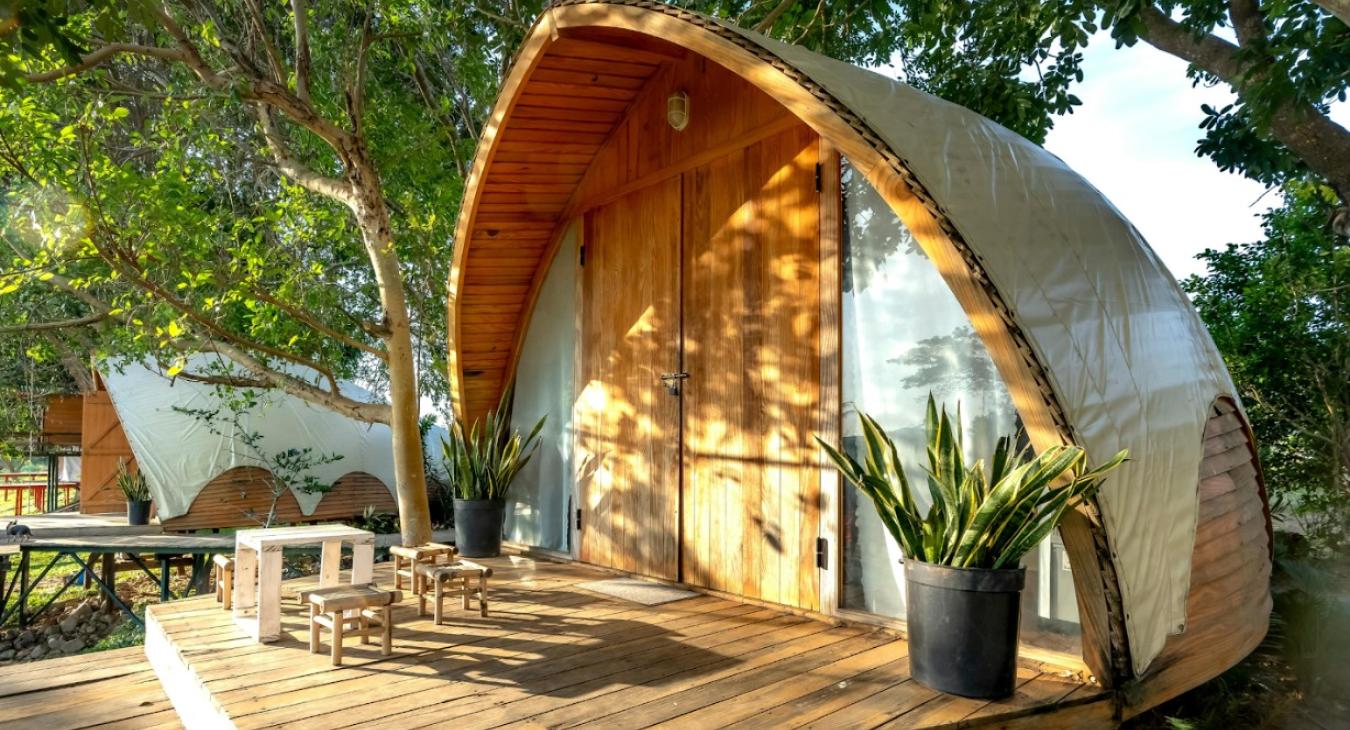
Running a successful Dorset holiday let is about more than attractive interiors and a smooth check-in. Whether you manage an Airbnb, holiday cottage, farm stay, glamping site, shepherd’s hut, lodge or holiday park, reliable electrical and plumbing systems are essential for guest safety, comfort and good reviews.
A boiler breakdown, water leak or electrical fault can lead to emergency call-outs, cancelled bookings and expensive repairs. Regular maintenance helps identify problems early, keeps equipment working efficiently and protects your property throughout the year.
Here is an essential checklist for holiday accommodation owners across Dorset.
Arrange Annual Boiler Servicing
Your boiler and heating system should be serviced regularly by a suitably qualified engineer. An annual service can identify worn components, pressure problems, leaks and safety issues before they cause a breakdown.
Ask your engineer to check the boiler, controls, flue, radiators, water pressure and hot water performance. For properties using oil, LPG, biomass or alternative heating systems, choose an engineer with the correct experience and qualifications.
Before autumn and winter, test the heating throughout the property and make sure guests can operate it easily.
Keep Electrical Safety Checks Up to Date
Inspect sockets, switches, lights and visible cables regularly. Warning signs include scorching, buzzing, flickering lights, damaged fittings and circuits that trip repeatedly.
An Electrical Installation Condition Report, or EICR, assesses the condition of fixed wiring, consumer units, circuits, earthing and protective devices. A qualified electrician can advise how often your property should be inspected based on its age, condition and use.
Additional checks may be needed after renovations, barn conversions, flooding or major electrical work.
Inspect Portable Appliances
Holiday lets often contain kettles, toasters, microwaves, televisions, lamps and hairdryers. Portable appliance testing, commonly called PAT, is recommended as part of a planned maintenance programme.
Between formal checks, look for damaged plugs, loose connections, cracked casings and frayed cables. Remove faulty appliances immediately and keep a simple record of inspections, repairs and replacements.
Test Smoke, Heat and Carbon Monoxide Alarms
Smoke and heat alarms should be suitable for the layout and use of the accommodation. Kitchens may require heat alarms, while bedrooms, escape routes and shared areas may need smoke alarms.
Test alarms during every changeover and replace faulty or expired units promptly.
Carbon monoxide alarms should be installed where required, particularly near boilers, fires, wood burners, gas appliances or other fuel-burning equipment. Guests should also be given clear instructions explaining what to do if an alarm sounds.
Check Water Pressure and Hot Water
Good water pressure and reliable hot water are basic guest expectations. Test showers and taps when several outlets are running, especially in larger cottages, lodges and group accommodation.
Stored hot water systems, cylinders, immersion heaters, pumps, valves and thermostats should be maintained regularly. Properties left empty between bookings may also require specialist advice on water hygiene and Legionella control.
For rural accommodation supplied by boreholes, wells or private water systems, pumps, filters, treatment equipment and storage tanks must be checked and serviced.
Look for Leaks and Drainage Problems
Small leaks can cause major damage if they remain unnoticed. Inspect beneath sinks, behind toilets, around showers, near boilers, beside hot water cylinders and around appliance connections.
Watch for damp patches, mould, peeling paint, swollen floors or unexplained increases in water use. Automatic leak-detection devices can provide extra protection, particularly in properties that are unoccupied for long periods.
Drain maintenance is also important before autumn. Clear gutters, outdoor drains and gullies, and investigate slow-flowing sinks or showers before they become blocked.
Consider Farm Diversification Requirements
Farm cottages, barn conversions, campsites, glamping units and shepherd’s huts often have additional infrastructure requirements.
These may include private water supplies, septic tanks, outdoor showers, hot tubs and electrical connections located away from the main farmhouse. Septic systems should be maintained and emptied appropriately, while hot tubs need safe electrical supplies, water treatment and regular servicing.
Outdoor sockets, hook-up points and distribution equipment must be suitable for wet and exposed conditions. Avoid relying on extension leads as permanent installations.
Review Lighting and Fire Safety
Guests may be unfamiliar with rural sites, uneven ground and routes between separate buildings. Provide effective lighting around entrances, parking areas, steps, decking, hot tubs, campsite facilities and pathways. Use fittings designed for outdoor conditions and position them carefully to reduce glare and light pollution.
Larger or more complex properties may also require emergency lighting. Fire precautions, escape routes and alarm systems should reflect the property’s fire risk assessment.
Plan for EV Charging
Electric vehicle charging is becoming increasingly popular with guests. A standard household socket or extension lead should not be promoted as a permanent charging solution.
A dedicated EV charger should be installed by a competent professional after assessing the property’s electrical capacity, earthing, cable routes and parking arrangements. Include the charger in ongoing maintenance and inspection schedules.
Prepare for Frost and Cold Weather
Before temperatures fall, insulate exposed pipes, repair dripping taps and check outdoor water supplies. Empty or isolate external pipework where appropriate and make sure stopcocks are clearly labelled. Vacant properties may need frost-protection settings, remote temperature monitoring or regular inspections during cold weather.
Keep Emergency Details Visible
Provide guests with contact details for the owner or property manager, along with trusted electrical, plumbing and heating support. Include the full property address, postcode and clear instructions for reporting faults. Where appropriate, explain how to isolate the water or electricity safely.
Preventative Maintenance Saves Money
Planned servicing reduces the likelihood of breakdowns during busy periods. It can prevent cancellations, lower emergency repair costs, improve guest reviews and extend the life of boilers, pumps, appliances and electrical equipment.
Keep records of services, inspections, repairs, warranties and future renewal dates. A simple maintenance schedule makes it easier to manage several cottages, glamping units or holiday park facilities.
Looking after guests starts with maintaining a safe property.
Joe Newton Electrical, Plumbing and Heating Services offer a wide range of services including electrical inspections and EICRs, smoke and carbon monoxide alarm installation, boiler servicing and repairs, leak detection, water-pressure problems, outdoor lighting, plumbing maintenance and EV charger installation.
For friendly, experienced and fully-qualified support with your holiday cottage, Airbnb, farm stay or glamping accommodation in the Dorchester area, contact Joe Newton for a free, no-obligation consultation and quote.
